Sorrento boat conversation
The Beast in the JungleThe Sorrento boat conversation is the earlier encounter in which John Marcher disclosed to May Bartram his conviction that he was being kept for an exceptional fate. Its significance lies not only in the secret he revealed, but in the bond its telling created: May remembered and guarded what Marcher had forgotten sharing, so her recollection unsettles his belief that he has faced his private expectation alone.
The remembered occasion
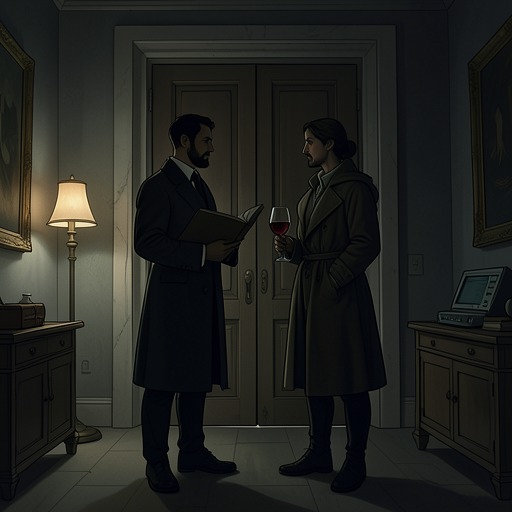
Ten years after the conversation, May brings it up when she and Marcher meet again and struggle to recover the ease of an old acquaintance. She recalls a tremendously hot day when they crossed the bay to Sorrento for the breeze. On the return journey, seated beneath the boat’s awning in the cool, Marcher spoke about himself. May had been reluctant to raise the subject, aware that recalling someone to what he had been a decade earlier might be painful; she had hoped they could manage without it. But when their tentative attempt to begin again seemed likely to fail, she supplied the memory that linked their present meeting to their past.
What Marcher disclosed
May describes Marcher’s confidence as the deepest feeling within him, one he had possessed from his earliest time: a sense that he was being reserved for something rare and strange, perhaps prodigious and terrible, that would sooner or later happen to him and might overwhelm him. The expectation was not a report of an event already undergone, but a conviction about what his life held in store. Marcher is surprised by how simply she states it; she explains that she had seemed to understand him as he spoke.
Memory, trust, and consequence
Marcher has forgotten both the disclosure and that he once placed May so far inside his confidence. At first he is embarrassed, but the discovery soon brings a different response: he recognizes that May has carried this knowledge for all the intervening years. He says that he has told nobody else since. Her recollection is therefore not a claim to an old compliment or an attempt to extract a renewed declaration; it restores a fact about their relationship that he had lost.
The confession changes Marcher’s understanding of his solitude. He had thought himself abominably alone with his expectation, but now sees that May has known about it since the boat journey and has not laughed at him. His gratitude comes with a dawning awareness that his lapse of memory left her holding the confidence without acknowledgment. The event thus returns in two times at once: as the original act of trust and as May’s present-day testimony to a connection Marcher had failed to remember.